ALKARAMA
Palestinian Women's Movement
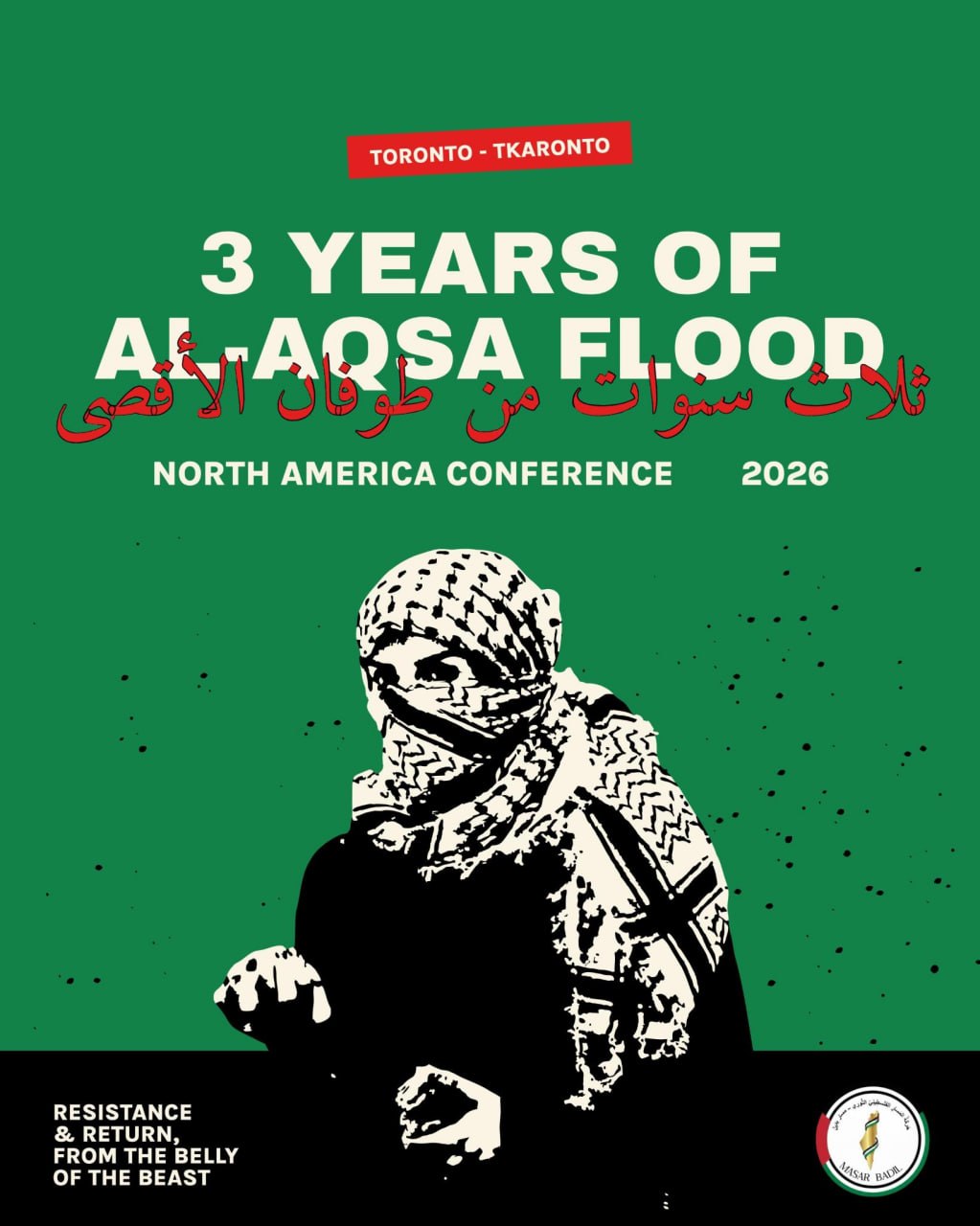
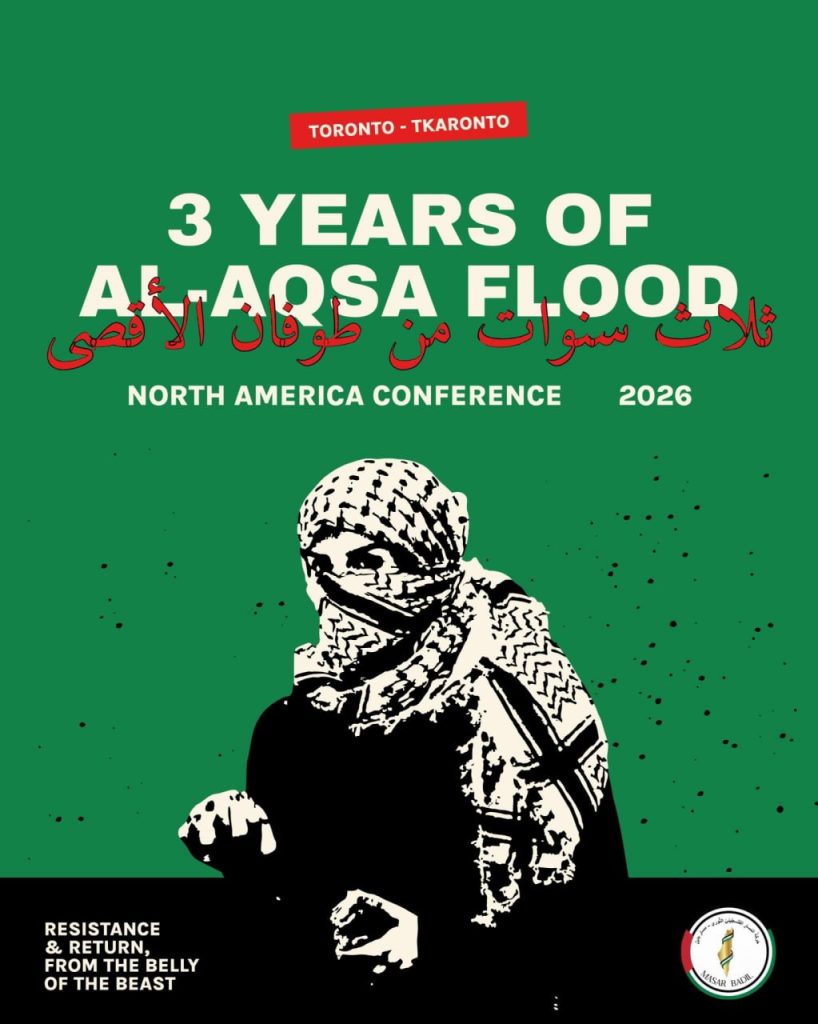
The Palestinian Alternative Revolutionary Path Movement says its international conference remains scheduled for 28–29 November. In a statement, it denounced efforts to criminalise the gathering, describing them as part of a wider campaign against Palestinian organising in the diaspora and Palestine solidarity movements.
The Palestinian Alternative Revolutionary Path Movement (Masar Badil) has reaffirmed its decision to hold its international conference in Toronto, Canada, despite pressure to stop it. The movement said attempts at intimidation and repression would only strengthen its resolve to continue its political and organising work.
The statement responds to calls for Canadian government intervention from the Centre for Israel and Jewish Affairs (CIJA) and B’nai Brith Canada, as well as an opinion piece published in The Wall Street Journal. Masar Badil said these efforts seek to criminalise the gathering and stir up hostility towards its organisers and prospective participants. It described the pressure as part of a wider campaign that uses sanctions and public smears to restrict the freedom of Palestinian diaspora communities, Arab and Muslim communities, and Palestine solidarity movements to organise.
Masar Badil rejected allegations that it acts as a front for other organisations. It described itself as a voluntary political movement independent of governments, political parties and nongovernmental organisations. It reaffirmed its commitment to the original Palestinian National Charter and to organised work for liberation and return. It added that its political and solidarity relationships are publicly documented on its website and media platforms.
The movement reaffirmed its support for the Palestinian people’s right to resist occupation and Zionist colonialism, the right of return and the liberation of Palestine from the river to the sea. It said it would continue to take part in labour, student and anti-colonial movements in Canada and elsewhere. It also expressed solidarity with people facing repression for their activism and called for stronger organised public support for Palestinian and Arab prisoners and for everyone imprisoned for their struggle for Palestine.
On regional developments, Masar Badil reaffirmed its support for the Islamic Republic of Iran, citing the role it sees Iran playing in opposing imperialism and Zionism. It rejected attempts to use the issue of Iran to discredit the conference. The movement said that Al‑Aqsa Flood had shifted the regional balance of power and eroded the image of Israeli and US superiority. It maintained that repression and ceasefire violations had failed to break the will of the resistance or weaken its popular support.
Masar Badil closed by reaffirming that the conference would go ahead and that it would continue its political work in Toronto and across the diaspora in the face of the campaign to stop the gathering.