ALKARAMA
Palestinian Women's Movement

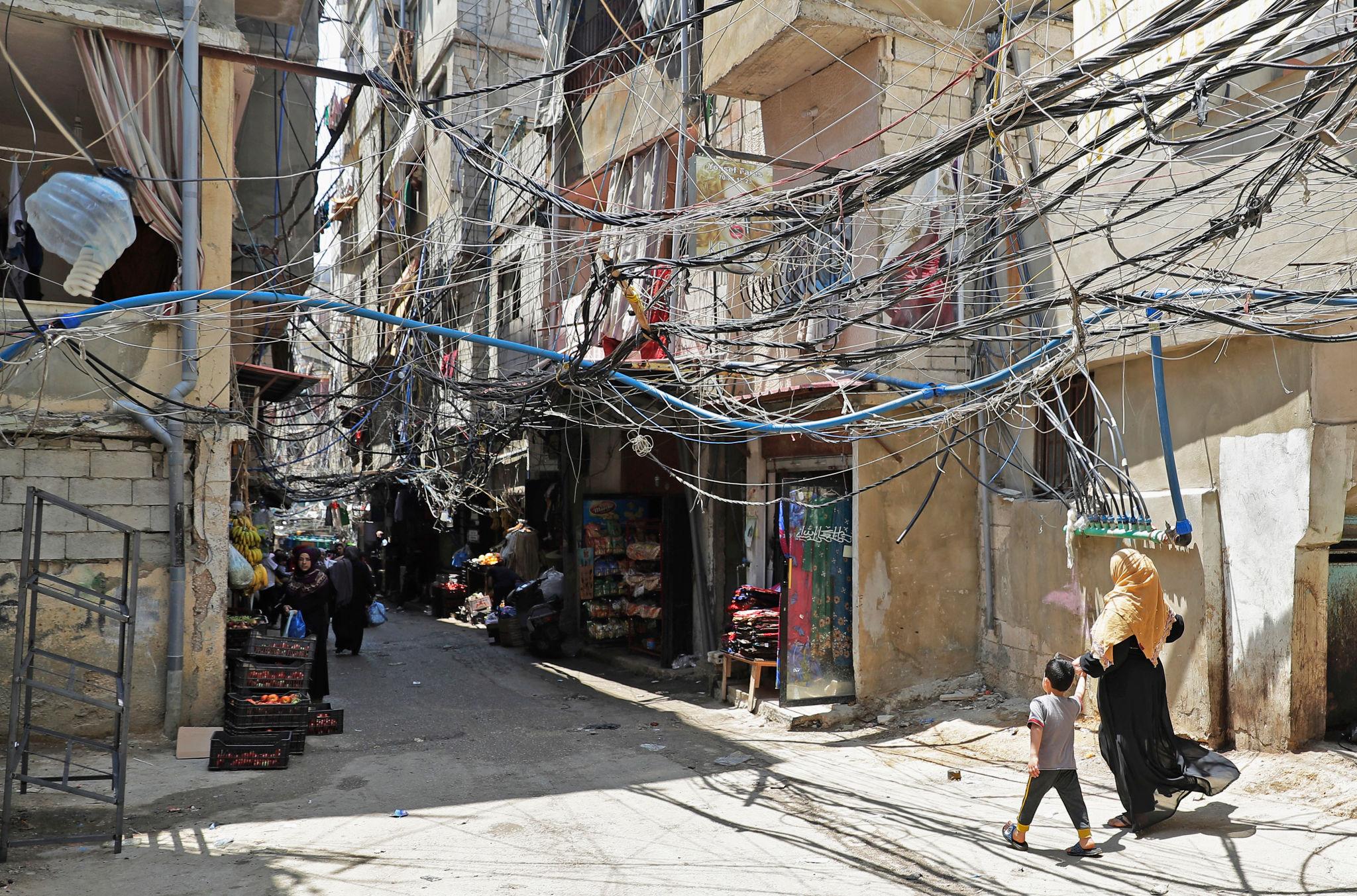
Being born and growing up in a Palestinian refugee camp does not mean giving up the homeland from which previous generations were expelled. From Burj al-Barajneh camp in Lebanon, Rayan Qasem reflects on the everyday hardships of exile, the memories that connect new generations to Palestine, and the struggle for a dignified life without giving up the right of return
Rayan Qasem | Alkarama Lebanon
Being born and growing up in a Palestinian refugee camp does not mean giving up the homelandBy from which previous generations were expelled. Writing from Burj al-Barajneh camp in Lebanon, Rayan Qasem reflects on the everyday hardships of exile, the memories that connect new generations to Palestine, and the struggle for a dignified life without surrendering the right of return.
Some people believe that exile simply means being far away from your country, and that this is where the story ends.
But the reality is far more difficult than that.
Exile is not merely about being separated from your homeland. It means spending long years in a place where you cannot build the future you want. The right of return, meanwhile, is not simply a matter of longing for a distant land. It is a right rooted in a homeland whose bond with its people has never been broken, no matter how much time passes or how many generations come and go.
In Burj al-Barajneh refugee camp, exile is reflected in the details of everyday life: in a young person who completes their education and searches for employment, only to encounter restrictions that limit their opportunities; in a family struggling to meet its needs amid growing economic hardship. You may be born in Lebanon, grow up among the camp’s narrow streets, and know your neighbours and surroundings by heart. Yet your status as a Palestinian refugee continues to shape your opportunities and rights. Here, exile is no longer simply the distance separating you from Palestine. It becomes a reality that accompanies you in your decisions and shapes your future.
Generations of Palestinians graduate in engineering, nursing, education and other fields, yet a qualification alone does not guarantee suitable employment. Restrictions imposed on Palestinians in certain professions make the path even more difficult. At the same time, many families struggle to meet their basic needs. These are not issues separate from the question of displacement and refuge, but part of its continuing impact on people’s lives.
As the decades pass, not all refugees have direct memories of Palestine. Some generations have come to know it through their grandmothers’ stories, photographs of old villages, and the names of houses and places that remain alive in family memory. You may never have seen Acre, Haifa or Safad, yet you may know enough about them to understand that the absence of personal experience does not mean the loss of connection, and that the passage of time neither extinguishes a right nor erases a cause.
In Gaza, the loss of home is repeated as families are forced to flee under bombardment, leaving behind their furniture, memories and the countless details of their everyday lives. The experience of forced displacement during war differs from that of prolonged refuge in Lebanon, just as the circumstances faced by Palestinians in the West Bank and Jerusalem are different. Yet all these realities raise common questions about home, safety and the ability to live in freedom and dignity.
Upholding the right of return does not mean accepting deprivation in places of refuge. Likewise, demanding civil and social rights in Lebanon does not mean abandoning Palestine or accepting exile as an alternative homeland. Palestinians have the right to study, work and live with dignity, and to participate in the society in which they live, without being required to give up their identity or their right of return.
From Burj al-Barajneh camp, this story begins with the rights Palestinians need today and extends to the right of return, which does not expire with the passage of time. Building a life in exile does not mean accepting it as a permanent fate, just as holding on to the right of return does not mean postponing dignity until tomorrow.
Palestinians have the right to a dignified life today, and the right to their homeland, which must never become merely a memory.
